

TMS Treatment in San Diego and Surrounding Communities
BrainWorks Behavioral Health offers Transcranial Magnetic Stimulation (TMS) exclusively at our San Diego clinic, serving patients from Irvine, Rancho Mirage, Temecula, and surrounding Southern California communities who are seeking evidence-based options for treatment-resistant depression and related conditions.

How TMS Treatment Works
TMS is a structured, non-invasive treatment delivered in an outpatient setting over multiple sessions.
Step 1: Brain Targeting
Electromagnetic stimulation is directed at specific areas of the brain involved in mood regulation, particularly the prefrontal cortex.
Step 2: Coil Placement
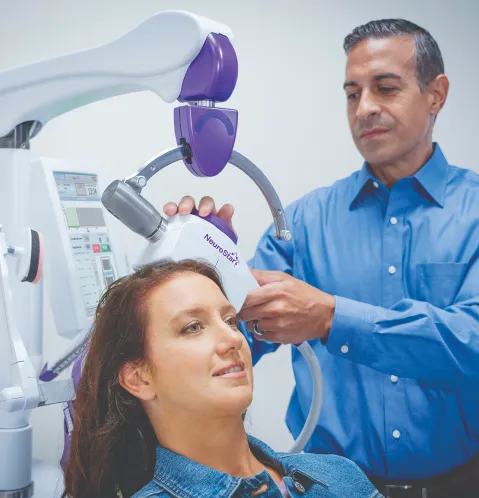
A magnetic coil is positioned near the scalp to deliver focused magnetic pulses without surgery or anesthesia.
Step 3: Treatment Sessions
Each session typically lasts 20–40 minutes while the patient remains fully awake and seated.
Step 4: Treatment Experience
Patients may feel a light tapping sensation and hear clicking sounds during stimulation.
Step 5: Ongoing Treatment Plan
TMS is delivered over a series of sessions, typically several weeks, to achieve optimal therapeutic effect.
Schedule a TMS Consultation in San Diego
If you’re exploring TMS as a treatment option for depression or related conditions, our team can help determine whether you’re a good candidate and explain what to expect.
Book a TMS consultation at our San Diego clinic today.
Call 858-258-9662 to get started.

Conditions Treated
Major Depressive Disorder (MDD)
TMS is FDA cleared for depression, especially treatment-resistant depression.
Other Mental Health Conditions
(research ongoing)
Obsessive-compulsive disorder (OCD), and Anxious Depression.
When a Diagnostic Evaluation May Be Recommended
Before starting TMS, some patients benefit from a more detailed understanding of their symptoms. In certain cases, overlapping conditions can influence treatment response or require a different care approach.
Depending on your symptoms, your provider may recommend further evaluation related to attention, learning, memory, or broader neurological or behavioral functioning.
About NeuroStar TMS Therapy
NeuroStar uses transcranial magnetic stimulation (TMS) to target key areas of the brain that are underactive in people with depression. It is not ECT (electroconvulsive therapy).
While the exact cause of depression is not known, the leading scientific theory is that it is caused by an imbalance of the brain’s neurotransmitters, which are chemical messengers that send signals between brain cells.

What is NeuroStar Advanced Therapy (TMS)?
During a NeuroStar treatment session, a magnet similar in strength to that used in a magnetic resonance imaging (MRI) machine is used to stimulate nerve cells in the area of the brain thought to control mood. These magnetic pulses may have a positive effect on the brain.
Treatment with NeuroStar Advanced Therapy is easy:
Therapy sessions are conducted in your NeuroStar doctor’s office
You can return to normal activities right away
You are awake during treatment
There are no negative effects on memory or sleep
It’s covered by most health insurance plans, including Medicare and Tricare
With more than three million treatments delivered, this novel treatment approach to achieving remission is bringing new hope to people every day.
What to Expect Over the Course of Treatment
Many patients begin noticing gradual improvements after several weeks of consistent sessions. Because TMS works by stimulating neuroplastic changes in the brain, results tend to build over time rather than occur immediately.
Response varies by individual, and your clinical team will monitor progress throughout the treatment plan.
Frequently Asked Questions







Schedule an Appointment
To learn more information about BrainWorks Behavioral Health, verify your insurance coverage, or schedule an appointment for you or your loved one, complete the form below and we will get back to you in 24 hours. We respect your privacy and hold all information discussed in strict confidence.